Medical
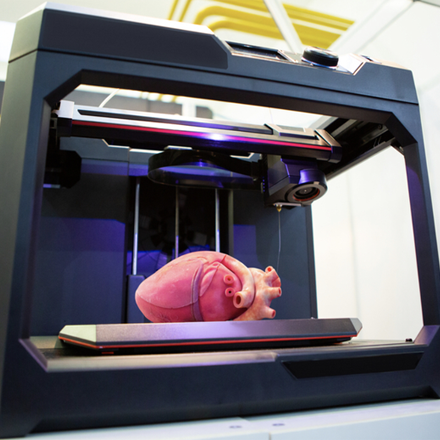
3D printing is increasingly being used in the medical field to create customized implants, prosthetics, surgical guides, and models for pre-operative planning. This technology allows for faster and more accurate production of medical devices, and can improve patient outcomes. For example, 3D printed prosthetics can be customized to fit a patient's unique anatomy, while surgical guides can help surgeons plan and execute complex procedures with greater precision. Additionally, 3D printing can reduce costs and lead times associated with traditional manufacturing processes. As the technology continues to advance, it is expected to play an even greater role in improving healthcare delivery and patient outcomes.
Automotive
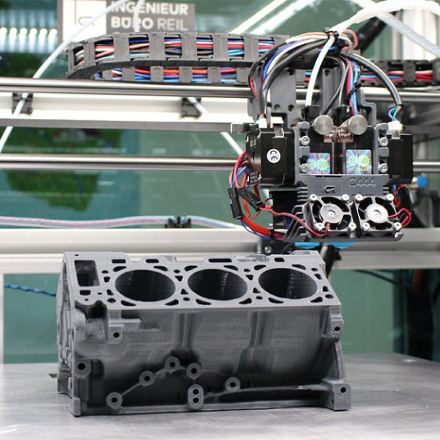
In the automotive industry, 3D printing is being used to create prototypes, molds, and even some end-use parts. This technology allows designers and engineers to rapidly create and test parts, reducing the time and costs associated with traditional manufacturing processes. 3D printing also enables the creation of complex geometries that would be difficult or impossible to produce with traditional methods. This can lead to improved performance, weight reduction, and increased fuel efficiency. Additionally, 3D printing can be used to produce low-volume parts, reducing the need for large-scale manufacturing and warehousing. The technology is being used by both established automakers and startups, and is expected to become even more prevalent as the cost and speed of 3D printing continues to improve.
Architecture
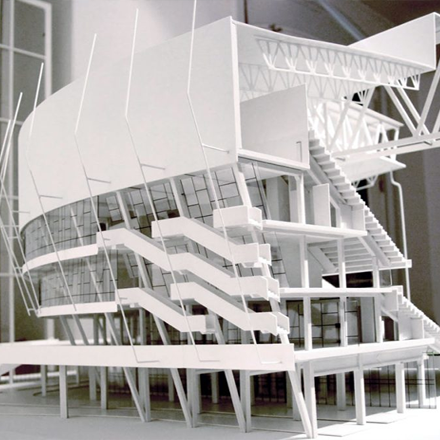
In architecture, 3D printing is being used to create models, prototypes, and even full-scale building components. This technology allows architects and designers to quickly produce and test designs, and can significantly reduce the time and costs associated with traditional modeling methods. 3D printing also enables the creation of complex geometries and intricate details that would be difficult to produce with traditional modeling methods. This can lead to more precise and accurate models, and can help architects communicate their designs more effectively to clients and stakeholders. Additionally, 3D printing can be used to produce custom and unique building components, such as facades or structural elements, that would be difficult or expensive to produce with traditional manufacturing methods. As the technology continues to advance, it is expected to play an even greater role in the architecture industry, offering new possibilities for design and construction.
Manufacturing
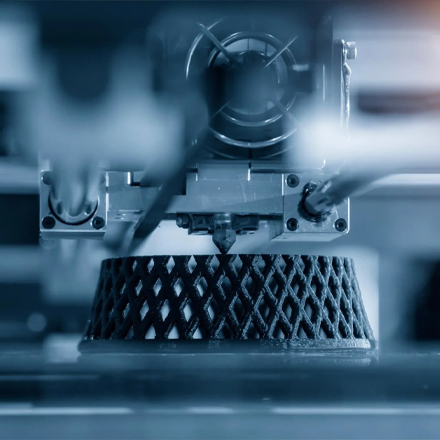
In manufacturing, 3D printing is being used to produce prototypes, tooling, and even end-use parts. This technology enables faster and more efficient production of complex geometries, custom designs, and low-volume parts. It can significantly reduce the time and costs associated with traditional manufacturing processes, and allows for more flexibility in production. 3D printing also enables on-demand manufacturing, meaning parts can be produced as needed, rather than requiring large-scale production runs and warehousing. This can reduce waste and increase efficiency. Additionally, 3D printing can enable new product designs and innovations, as the technology allows for the creation of shapes and features that would be difficult or impossible to produce with traditional methods. As the cost and speed of 3D printing continues to improve, it is expected to become an increasingly important tool in the manufacturing industry, offering new possibilities for design, customization, and production.